
Therapy That Meets You Where You Are
There’s no single approach to therapy that works for everyone. Our therapists draw from a range of evidence-based, trauma-informed, and affirming approaches to create care that reflects your experiences, needs, relationships, and goals.
From EMDR and CBT to DBT, ERP, trauma-informed therapy, LGBTQ+ affirming care, and support for non-traditional relationship dynamics, we’ll help you find an approach—and a therapist—that feels right for you. You don’t need to know which type of therapy you need before you begin. That’s something we can figure out together.
Cognitive Behavioral Therapy (CBT)
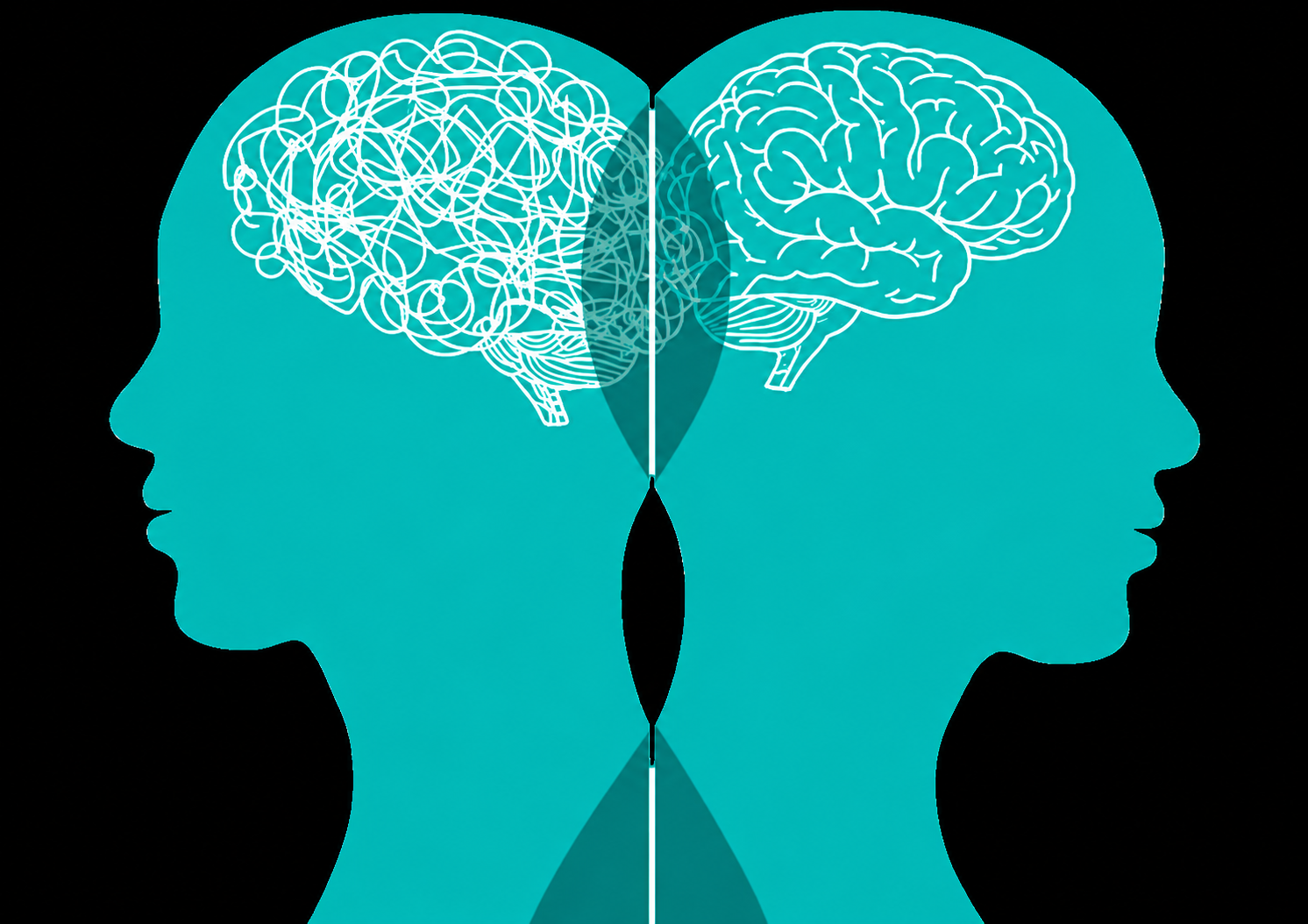
Cognitive Behavioral Therapy (CBT) explores the connection between your thoughts, feelings, and behaviors. It can help you recognize patterns that may be contributing to stress, anxiety, depression, or other challenges and develop practical ways to respond differently.
CBT is collaborative and focused on building skills you can use in everyday life—helping you better understand your patterns, navigate difficult situations, and make changes that support your well-being.

Exposure and Response Prevention (ERP)
Exposure and Response Prevention (ERP) is a specialized form of therapy commonly used to treat obsessive-compulsive disorder (OCD) and related anxiety concerns. It helps you gradually face thoughts, situations, or experiences that trigger anxiety while learning to resist the compulsions or behaviors you typically use to find relief.
With the support of a trained therapist, ERP is approached gradually and collaboratively—not about forcing you into situations before you’re ready. Over time, the goal is to build confidence in your ability to tolerate uncertainty and discomfort without letting anxiety or compulsions take control.

Dialectical Behavior Therapy (DBT)
Dialectical Behavior Therapy (DBT) is a skills-based approach that helps you better understand and manage intense emotions, navigate stressful situations, and build healthier relationships.
DBT focuses on practical skills you can use in everyday life, including mindfulness, emotional regulation, distress tolerance, and interpersonal effectiveness. The goal isn’t to eliminate difficult emotions, but to help you respond to them in ways that feel more manageable and aligned with the life you want to build.

LGBTQ+ Affirming Therapy
LGBTQ+ affirming therapy provides a supportive space where your identity is respected, understood, and welcomed as part of your whole self. Our therapists recognize the unique experiences that can come with sexual orientation, gender identity, and gender expression while never assuming that these identities are the reason you’re seeking therapy.
Whether you want to explore identity, relationships, family dynamics, life transitions, or simply work with a therapist who understands and affirms who you are, care is centered around you—not changing or questioning your identity.

EMDR Therapy
Eye Movement Desensitization and Reprocessing (EMDR) is a trauma-informed therapy that helps people process distressing experiences that may continue to affect how they feel, think, or respond in the present. Using guided bilateral stimulation—such as specific eye movements—EMDR helps the brain reprocess difficult memories so they can feel less emotionally overwhelming.
EMDR may be used to support people experiencing trauma, anxiety, distressing memories, and other concerns connected to past experiences. Rather than requiring you to talk through every detail at length, EMDR provides a structured way to work through experiences that may still feel “stuck.”

Trauma-Informed Therapy
Trauma-informed therapy recognizes that past experiences can shape how we think, feel, relate to others, and respond to the world around us. Rather than asking, “What’s wrong with you?” this approach considers what you’ve experienced and how those experiences may still be affecting you today.
Our therapists prioritize safety, trust, collaboration, and choice throughout the therapeutic process. You’re supported in exploring difficult experiences at a pace that feels manageable, while building greater understanding, connection, and tools for navigating life in the present.